Field Lesson #002
Hydrostatic Test Pressure Fluctuations
During hydrostatic testing, inspectors often expect pressure to remain stable throughout the hold period. In reality, pressure fluctuations are common and can occur for a variety of reasons. Understanding what causes these changes is critical before concluding that a problem exists with the test setup, equipment, or system being tested.
The Situation
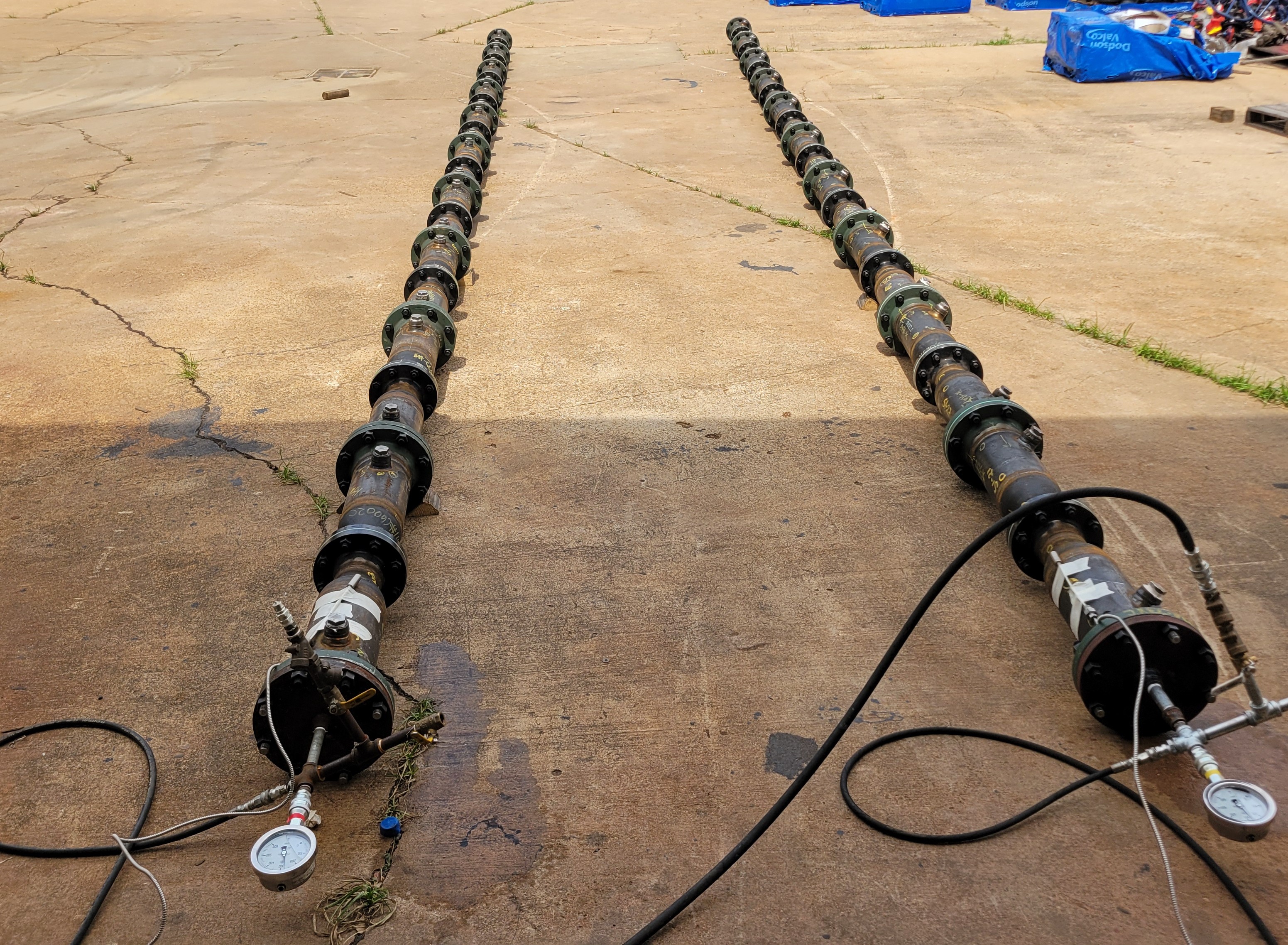
The assembly was pressurized to the required test pressure. The system was isolated, and the hold period began; the test was not yet complete.
The Inspection Question
As the pressure gauge and chart recorder were monitored, the recorded pressure began to fluctuate. In this case, the pressure increased during the hold period even though no additional pressure was being added to the system.
That raised an important inspection question:
Was this a problem with the test, or was the system reacting to field conditions?
Initial Concerns
When pressure changes during a hydrostatic test, several concerns should be considered before making a decision:
- Faulty pressure gauge
- Improper gauge calibration
- Trapped air in the system
- Valve leakage
- System leakage
- Test setup issues
- Environmental effects
- The inspector should not assume the test is acceptable or unacceptable based on the pressure change alone.
What We Observed
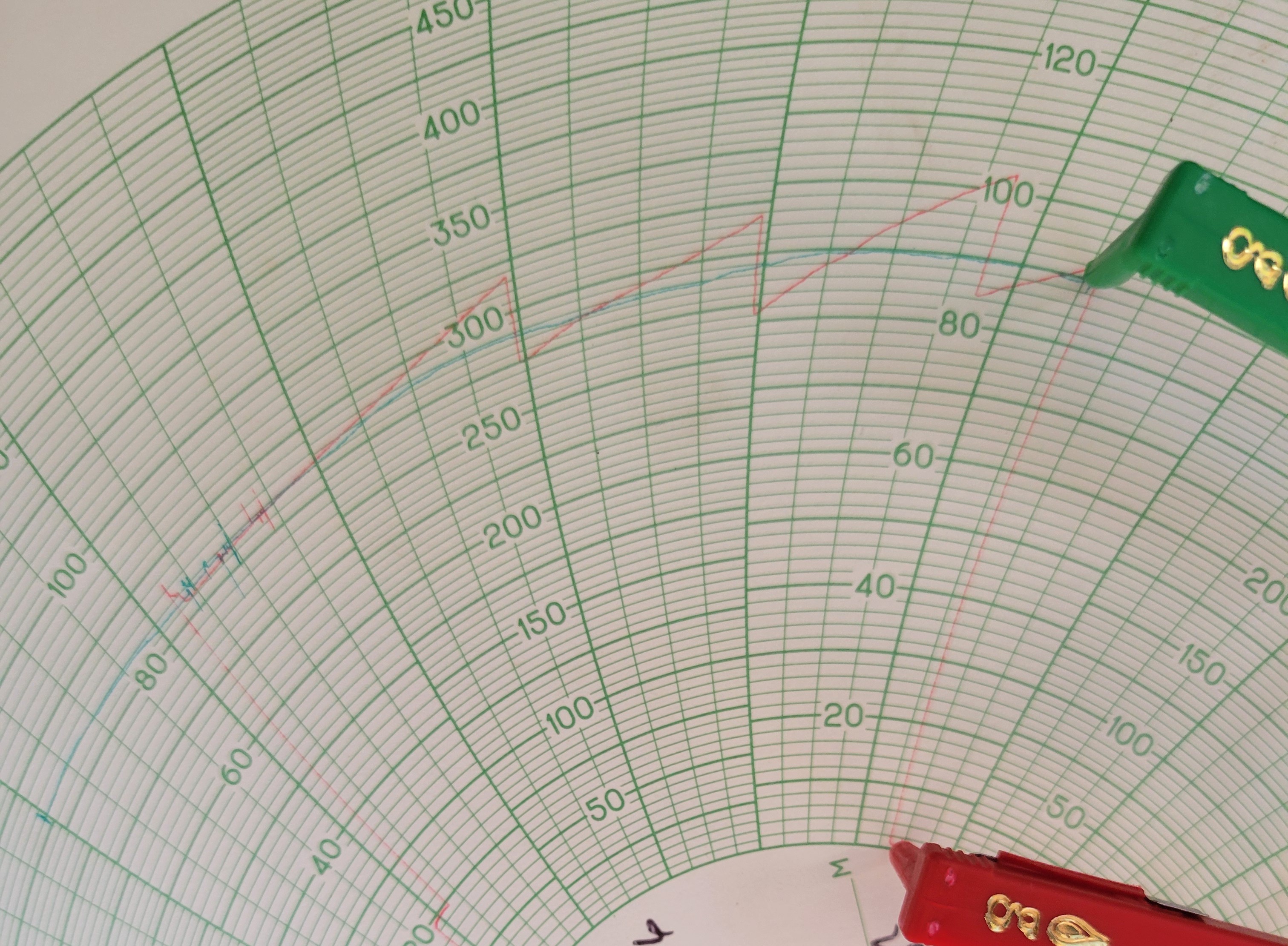
The pressure chart showed a noticeable change during the test period.
Field Conditions
The reported test began under cooler conditions and continued as ambient temperatures increased. Heating was a possible explanation for the observed pressure rise, but confirming the cause requires the temperature record, pressure record, and checks of the test arrangement.
Because water is only slightly compressible, relatively small temperature changes can create measurable pressure changes in a closed system.
Common Causes of Pressure Increases
Several factors can cause pressure to rise during a hydrostatic test without additional pressure being introduced:
- Rising ambient temperature
- Direct sunlight heating the pipe
- Warming test medium
- Thermal expansion of the water
- Interaction between test-medium temperature and the response of the assembly
- A pressure increase does not automatically mean the test setup is wrong. It means the condition needs to be understood.
Common Causes of Pressure Decreases
Pressure decreases can also occur and do not automatically mean the test failed.
Possible causes include:
- Cooling ambient temperature
- Cooling test medium
- Minor leakage
- Trapped air effects
- Gauge or chart recorder issues
- Test equipment problems
- Improper system isolation
- The inspector’s role is to determine the cause of the pressure change before making an acceptance decision.
What the Inspector Should Verify
When an unexpected pressure change occurs, follow the approved procedure’s abnormal-condition response. Within that controlled process, review:
- Gauge calibration status
- Chart recorder operation
- Presence of trapped air
- Ambient temperature changes
- Direct sunlight exposure
- Evidence of leakage
- Test duration
- System isolation
- Test medium temperature
- Project or procedure requirements
- Hydrostatic testing is not just watching a gauge. It requires understanding the system, the setup, and the conditions surrounding the test.
The Lesson
Pressure gauges and chart recorders provide valuable information, but they only tell part of the story.
Inspectors must evaluate pressure readings within the context of actual field conditions.
A temperature-related explanation does not establish that a test passed. Evaluate unexpected changes under the approved procedure, including its pressure limits, isolation requirements, and instructions for responding to an abnormal condition.
Document the observations, investigation, applicable acceptance requirements, and final disposition. Do not use this narrative as a substitute for an approved pressure-test procedure.
Key Takeaways
- Pressure fluctuations during hydrostatic testing are common.
- Temperature changes can significantly affect pressure readings.
- Investigate a pressure increase under the approved procedure; do not assume temperature is the cause.
- Pressure decreases do not automatically indicate a failed test.
- Environmental conditions should always be evaluated.
- Inspectors should determine the cause of the fluctuation before making a final decision.
- Test acceptance should be based on the applicable procedure, code, specification, and project requirements.
Discussion
Have you experienced a hydrostatic test where the pressure changed unexpectedly during the hold period?
Understanding possible causes helps inspectors conduct a focused investigation and document an acceptance decision supported by the governing requirements.