The Weld Was X-Rayed. The Requirement Wasn’t Met.
Inspection activities are often performed with the best intentions. However, performing an activity does not automatically satisfy the requirement that drove the activity in the first place.
This lesson highlights a real-world example where radiographic testing (RT) was performed, a report was generated, and the results were accepted. The problem was not the quality of the radiography. The problem was that the wrong weld had been selected for examination.
The Situation
A project required radiographic examination in accordance with the project requirements and the applicable provisions of ASME B31.3.
During fabrication, a weld was selected for radiographic testing and submitted to the NDE contractor for examination.
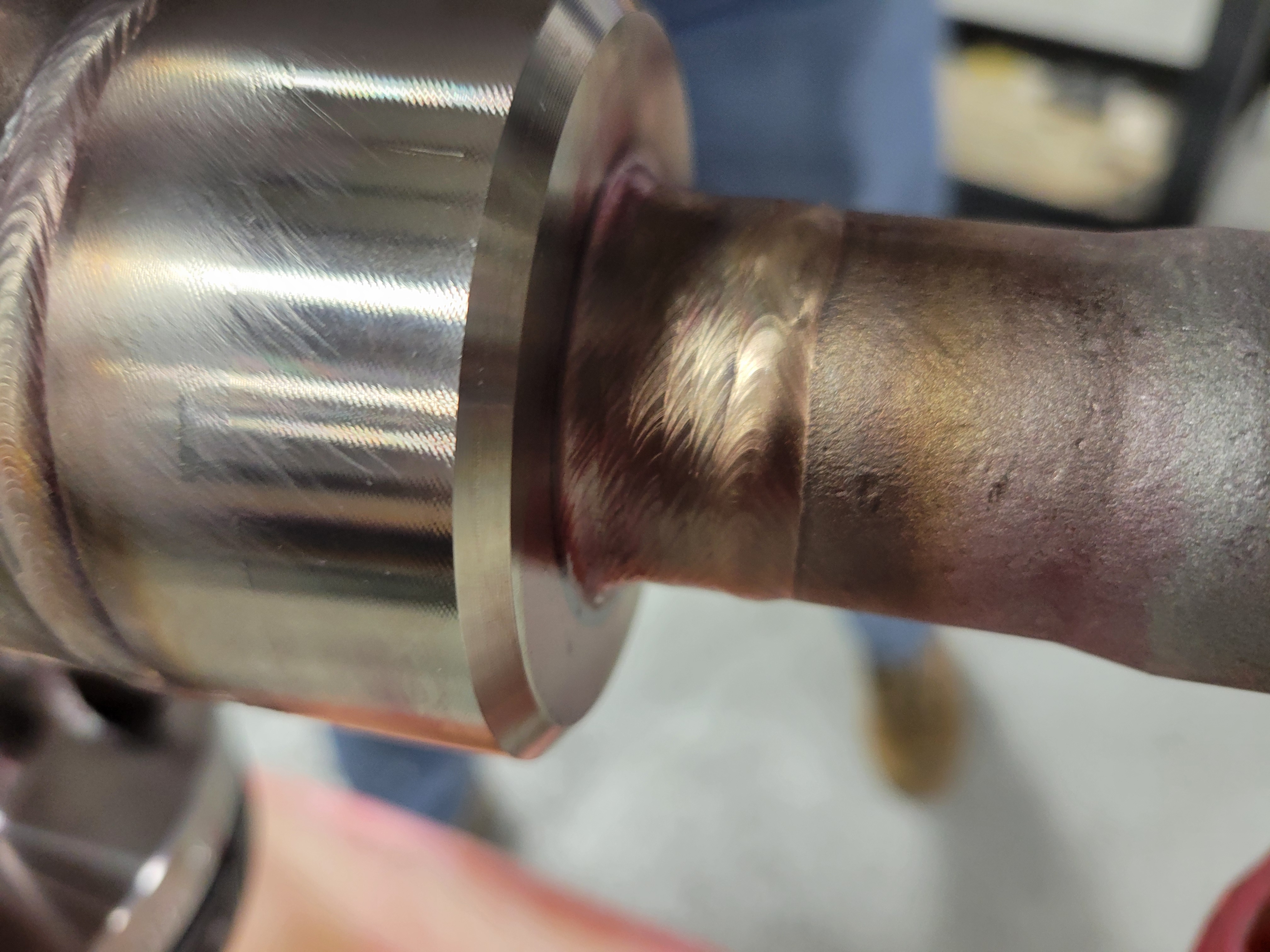
Threaded connection weld selected for radiographic examination.
When the weld selection was later reviewed, the vendor explained:
“It was the first weld done, so we shot it.”
At first glance, this may seem reasonable. The weld was radiographed, a report was generated, and the examination was accepted.
However, a closer review revealed a more important issue.
What Happened
The weld selected for examination was a threaded connection weld.
The radiography itself was performed correctly. The NDE contractor completed the work, interpreted the results, and issued the required documentation.
The problem was not the radiography.
The problem was the selection of the weld.
The project requirement was intended to verify weld quality through examination of welds that provided meaningful compliance with the specified examination requirements. Radiographing a threaded connection weld did not satisfy the intent of the requirement.
Nobody involved was attempting to bypass the requirement. The issue was a misunderstanding of which welds provided meaningful examination value and how the project requirement was intended to be applied.
Looking at the Assembly
A review of the assembly showed that other welds were present that would have provided a more meaningful examination of the fabrication.
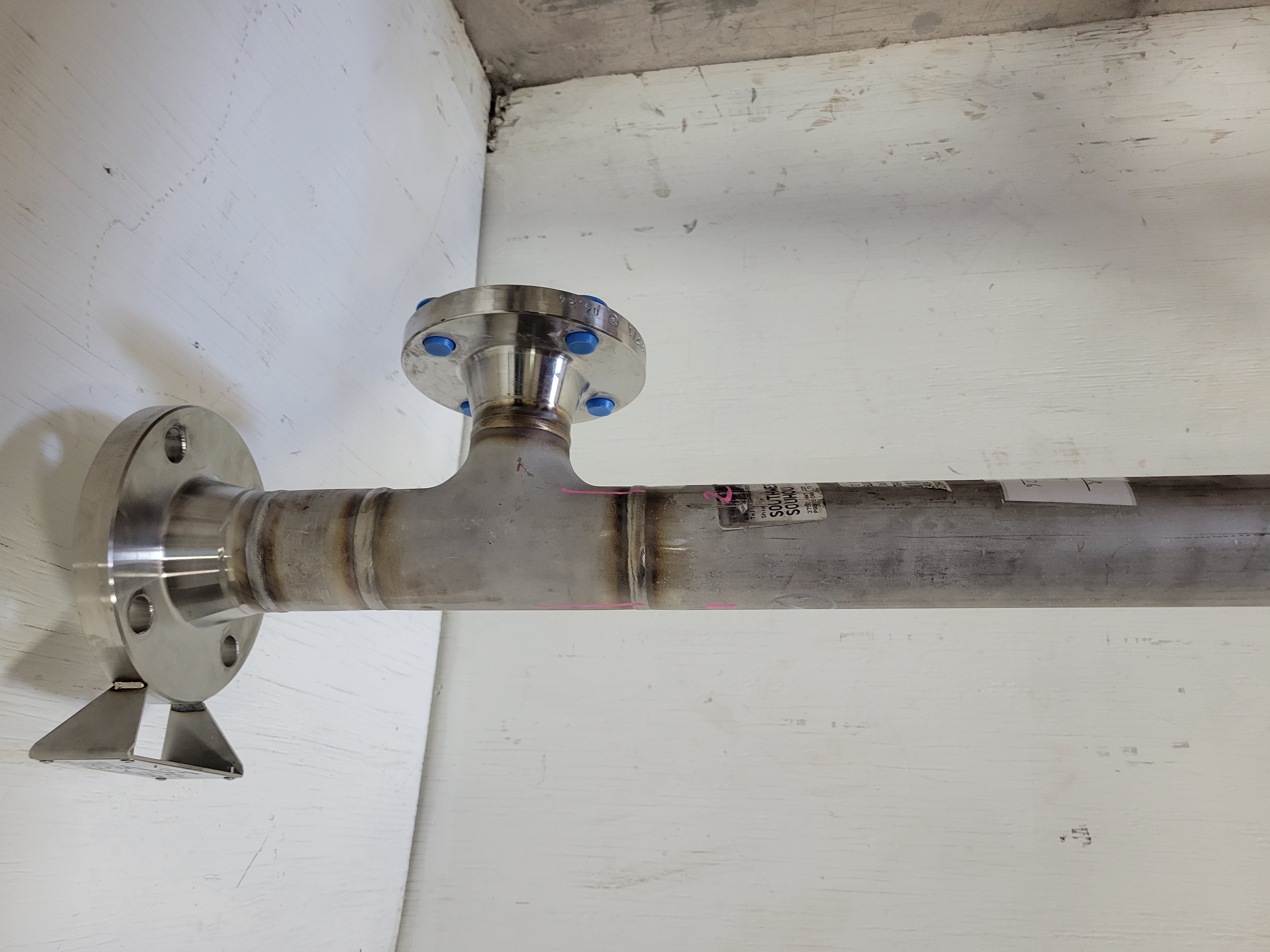
Inspection personnel must verify that examination requirements are applied to the correct welds.
This situation demonstrates why inspectors should review examination requirements before testing begins rather than after reports are issued.
What the NDE Company Did Right
One of the most valuable aspects of this situation was the quality of the reporting.
The radiography contractor documented exactly what was examined.
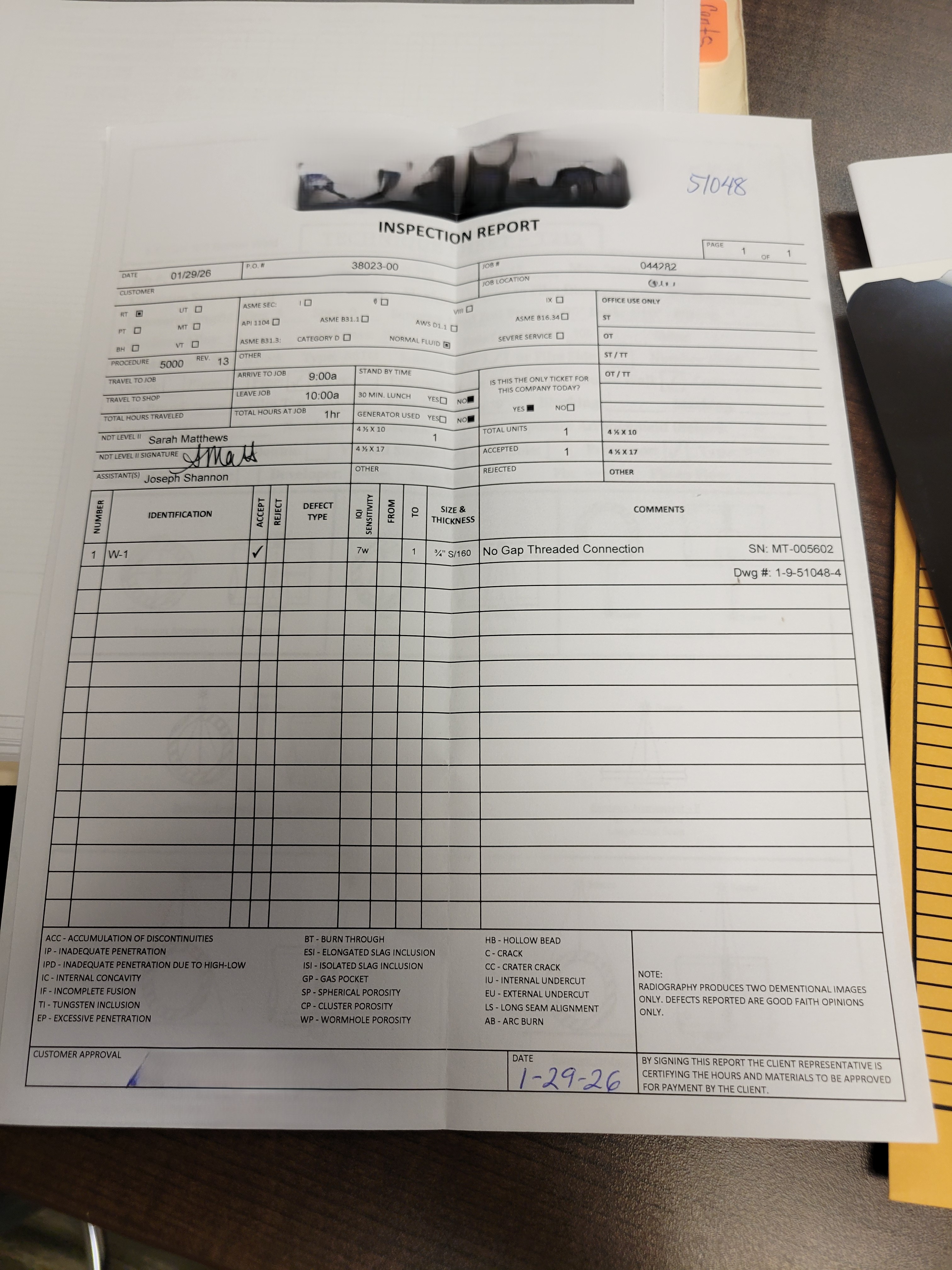
Proper reporting documented exactly what was examined, allowing the issue to be identified during review.
The report clearly identified the examined weld as a:
“No Gap Threaded Connection”
Because the reporting accurately described the weld that was examined, the issue was identified during review rather than remaining hidden behind a generic acceptance report.
This is an excellent example of why detailed reporting matters.
The Real Problem
The requirement was interpreted as:
“Perform radiography on a weld.”
The actual requirement was:
“Perform radiography on the appropriate welds necessary to satisfy the examination requirement.”
Those are not the same thing.
Performing an examination activity does not automatically satisfy the intent of the specification, code requirement, or project requirement.
Understanding why a requirement exists is just as important as understanding how to perform the examination.
The Lesson
Inspection requirements should never become a box-checking exercise.
Before any examination is performed, inspectors, vendors, contractors, and NDE personnel should understand:
- What the requirement is
- Why the requirement exists
- Which welds are subject to the requirement
- How compliance will be demonstrated
- What documentation will be required
A completed report does not necessarily mean the requirement has been satisfied.
The purpose of inspection is not simply to collect records. The purpose is to verify compliance with the intent of the governing requirements.
Key Takeaways
- Performing NDE is not the same as satisfying a requirement.
- Weld selection matters.
- Examination requirements should be reviewed before testing begins.
- Documentation review is a critical inspection activity.
- Detailed reporting can prevent incorrect assumptions.
- Inspectors should verify both compliance and intent.
- Understanding the requirement is just as important as performing the examination.
Discussion
Have you encountered a situation where testing was completed, documentation was generated, and everything appeared acceptable until the underlying requirement was reviewed?
Many inspection issues are not caused by poor workmanship. They are caused by misunderstandings of requirements, scope, or intent.
Understanding the difference is one of the most valuable skills an inspector can develop.
Field Lesson #003